
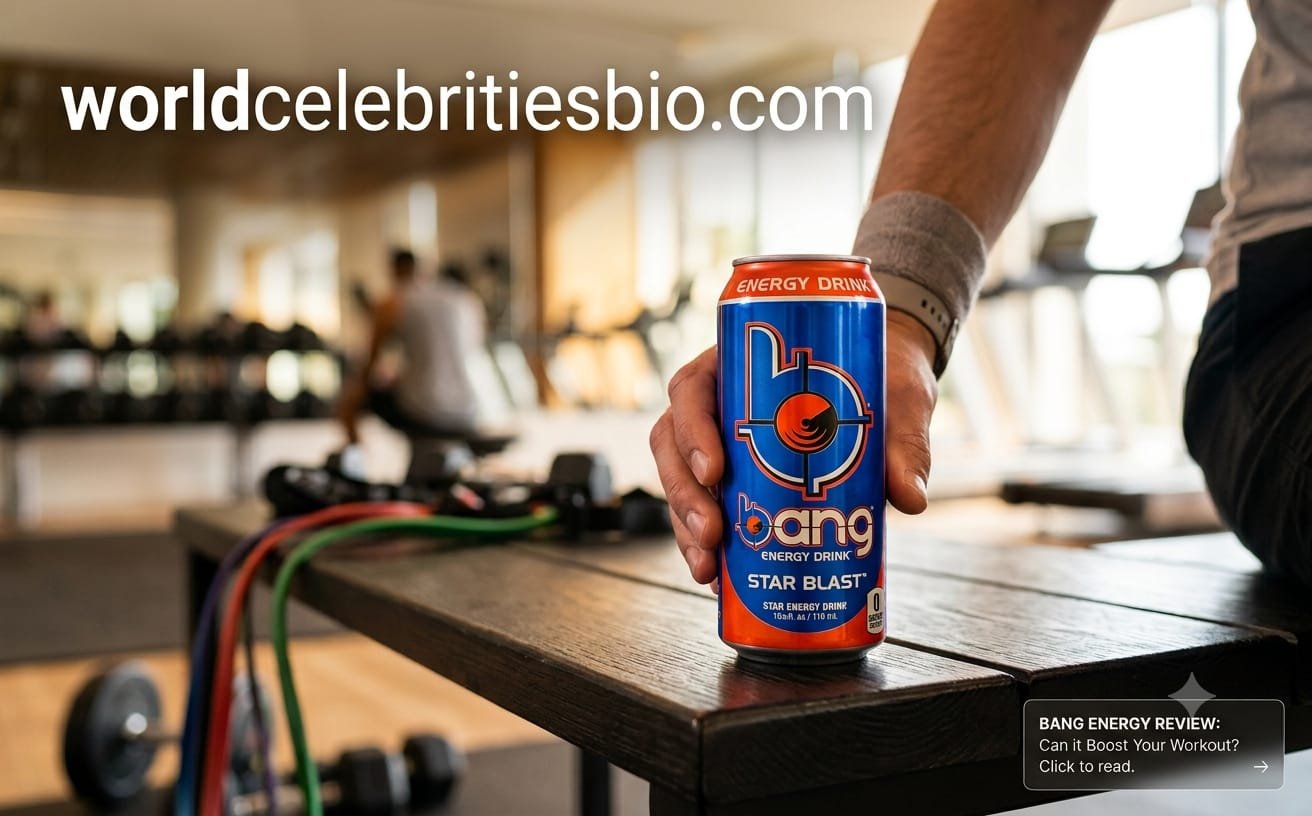
Bang Energy Drink is one of the most well-known energy drinks in the fitness and sports nutrition industry. Bang is marketed as a high-performance energy drink for athletes, gym-goers, gamers, students, and professionals. Bang is marketed as a high-performance energy drink designed to boost energy levels for sustained focus and enhanced workout performance.
Bang Energy Drink is a popular performance energy drink from Bang Energy, which features no artificial sugar and has a high caffeine content. It normally features caffeine (about 300 mg per can), branched-chain amino acids (BCAAs), electrolytes, and various vitamins that are meant to supply focus or endurance as well as workout performance. It is being sold to athletes and active people for improved performance, energy, and alertness during exercise or during stressful activities. Advantages are improved mental concentration and energy, but overuse can result in side effects like insomnia, dehydration, and heart palpitations.
Due to its stimulant properties, it is advisable to consume in moderation, particularly for people who are caffeine-sensitive or have medical issues. It’s a widely consumed but powerful energy drink and shouldn’t be taken without caution alongside a healthy lifestyle. There should always be a recommendation on the label as to how much caffeine should be consumed each day, and consumers should never exceed the recommended daily limits for their own safety.
What Is Bang Energy Drink?
Bang Energy Drink is a carbonated energy beverage originally created by Vital Pharmaceuticals (VPX Sports). It was introduced to provide intense energy while supporting athletic performance and mental focus.
Unlike sugary energy drinks, Bang emphasises the following:
- Zero sugar
- Zero carbohydrates
- Zero calories
- High caffeine
- Workout-support ingredients
Today, Bang is sold in convenience stores, supermarkets, gyms, and online retailers around the world.
Nutritional Facts
A standard 16-ounce (473 ml) can typically contains the following:
| Nutrient | Amount |
| Calories | 0 |
| Sugar | 0 g |
| Carbohydrates | 0 g |
| Fat | 0 g |
| Protein | 0 g |
| Sodium | Around 40 mg |
| Caffeine | 300 mg |
Although calorie-free, Bang contains several functional ingredients intended to boost energy and performance.
Main Ingredients in Bang Energy Drink
1. Caffeine
The biggest selling point of Bang is its 300 mg of caffeine per can.
For comparison:
- Coffee (8 oz): 95 mg
- Red Bull (8.4 oz): 80 mg
- Monster Energy (16 oz): 160 mg
- Bang Energy: 300 mg
Caffeine helps improve:
- Alertness
- Concentration
- Reaction time
- Physical endurance
However, this amount is considered high and may not be suitable for everyone.
2. Super Creatine®
Bang advertises a patented ingredient called Super Creatine®.
The company claims it supports:
- Muscle recovery
- Athletic performance
- Brain function
However, nutrition experts note that Super Creatine differs from traditional creatine monohydrate and that published scientific evidence supporting its unique benefits is limited.
3. BCAAs (Branched-Chain Amino Acids)
Bang contains branched-chain amino acids, including:
- Leucine
- Isoleucine
- Valine
These amino acids may help:
- Muscle recovery
- Reduce muscle soreness
- Support protein synthesis
4. Coenzyme Q10 (CoQ10)
CoQ10 is an antioxidant naturally found in the body.
Potential benefits include the following:
- Supporting heart health
- Energy production
- Reducing oxidative stress
5. Electrolytes
Bang includes electrolytes that help maintain hydration during exercise.
Common electrolytes include:
- Sodium
- Potassium
- Magnesium (small amounts)
6. Artificial Sweeteners
Instead of sugar, Bang uses artificial sweeteners such as:
- Sucralose
- Acesulfame Potassium (Ace-K)
These provide sweetness without adding calories.
Benefits of Bang Energy Drink
Increased Energy
The high caffeine content provides a noticeable energy boost, making Bang popular before workouts or long workdays.
Better Focus
Many users report improved concentration during:
- Studying
- Gaming
- Office work
- Driving
Workout Performance
Because of its blend of caffeine and amino acids, Bang is commonly used as a pre-workout beverage.
Potential workout benefits include the following:
- Increased endurance
- Reduced fatigue
- Improved motivation
- Better exercise intensity
Zero Sugar
Unlike many traditional energy drinks, Bang contains no sugar.
Benefits include:
- No sugar crash
- Lower calorie intake
- Better for low-carb diets
Keto-Friendly
Since Bang has:
- Zero sugar
- Zero carbs
- Zero calories
It is often considered suitable for ketogenic and low-carbohydrate diets.
Popular Bang Energy Drink Flavors
One reason Bang became successful is its large variety of flavors.
Popular options include:
- Blue Razz
- Cotton Candy
- Black Cherry Vanilla
- Rainbow Unicorn
- Sour Heads
- Purple Haze
- Cherry Blade Lemonade
- Peach Mango
- Citrus Twist
- Star Blast
- Candy Apple Crisp
- Lemon Drop
- Bangster Berry
- Power Punch
- Champagne
Flavour availability may vary by country.
Is Bang Energy Drink Good Before a Workout?
Many fitness enthusiasts consume Bang about 20–30 minutes before exercise.
Potential advantages include the following:
- Increased energy
- Improved endurance
- Better concentration
- Enhanced workout intensity
However, because of its high caffeine content, beginners should avoid drinking an entire can before training.
Possible Side Effects
Although Bang can improve alertness, excessive consumption may cause unwanted effects.
1. High Caffeine Intake
One can contains 300 mg of caffeine.
Possible symptoms include:
- Rapid heartbeat
- Anxiety
- Restlessness
- Difficulty sleeping
- Headaches
2. Sleep Problems
Consuming Bang in the afternoon or evening may interfere with sleep because caffeine remains in the body for several hours.
3. Increased Blood Pressure
People sensitive to caffeine may experience temporary increases in blood pressure.
4. Digestive Issues
Some users report:
- Nausea
- Upset stomach
- Acid reflux
Especially when consuming Bang on an empty stomach.
5. Caffeine Dependence
Regular high-caffeine intake may lead to:
- Withdrawal headaches
- Fatigue
- Irritability
- Reduced energy without caffeine
Who Should Avoid Bang Energy Drink?
Bang may not be suitable for:
- Children
- Teenagers
- Pregnant women
- Breastfeeding mothers
- Individuals with heart disease
- People with uncontrolled high blood pressure
- Individuals sensitive to caffeine
Anyone with a medical condition should consult a healthcare professional before consuming high-caffeine beverages.
Bang Energy vs. Monster
| Feature | Bang | Monster |
| Calories | 0 | Around 210 |
| Sugar | 0 g | About 54 g |
| Caffeine | 300 mg | 160 mg |
| BCAAs | Yes | No |
| CoQ10 | Yes | Limited |
| Best For | Fitness enthusiasts | General energy users |
Bang provides significantly more caffeine and contains no sugar, while the original Monster offers a sweeter taste with lower caffeine.
Bang Energy vs. Red Bull
| Feature | Bang | Red Bull |
| Calories | 0 | Around 110 |
| Sugar | 0 g | Around 27 g |
| Caffeine | 300 mg | 80 mg |
| Size | 16 oz | 8.4 oz |
| Performance Ingredients | Yes | Limited |
Bang delivers much more caffeine than a standard Red Bull can.
Can You Drink Bang Every Day?
As a healthy adult, Bang Energy Drink can be consumed daily but should be used with caution, as one can contains approximately 300mg of caffeine, which is close to the recommended daily limit.
Eating it daily can increase energy and concentration but can also result in side effects such as trouble sleeping, anxiety, jitteriness, or an increased heart rate, particularly when combined with coffee or another caffeinated item.
Use up to one can per day; do not consume late at night, and drink plenty of water for safe use. Caffeine-sensitive individuals or those with heart and blood pressure problems should steer clear of taking it on a daily basis.
To sum up, for most adults, occasional use is safe, but daily use must be approached with caution.
Is Bang Energy Drink Healthy?
Bang can be healthier than many sugary energy drinks because it contains the following:
- No sugar
- No calories
- No carbohydrates
However, “healthier” does not necessarily mean “healthy“.
The high caffeine content means moderation is essential.
Tips for Safe Consumption
To reduce potential risks:
- Drink plenty of water.
- Avoid mixing Bang with alcohol.
- Don’t combine it with multiple caffeinated drinks.
- Avoid consuming it late in the day.
- Start with half a can if you’re sensitive to caffeine.
Frequently Asked Questions
Does Bang contain sugar?
No. Bang contains zero sugar.
How much caffeine is in Bang?
A standard 16-ounce can contains 300 mg of caffeine.
Is Bang suitable for weight loss?
Because it contains no sugar or calories, it can fit into a calorie-controlled diet. However, it is not a weight-loss product.
Can teenagers drink Bang?
Most health professionals advise against high-caffeine energy drinks for children and teenagers.
Does Bang contain creatine?
It contains Super Creatine®, a proprietary ingredient that differs from traditional creatine monohydrate.
Is Bang vegan?
Many Bang flavors are generally considered vegan-friendly because they contain no dairy or animal-derived ingredients, though consumers with strict dietary preferences should always check the ingredient label for the specific flavor. For more information about world celebrities, visit my website, worldcelebritiesbio.
Conclusion
Bang Energy Drink has gained great popularity among fitness enthusiasts, athletes, students, and professionals seeking a powerful energy kick. Unlike many energy drinks, it contains no sugar or calories, along with BCAAs, CoQ10, electrolytes, and 300 mg of caffeine.
Bang can help improve alertness, concentration, and exercise results, but should be used responsibly because it contains a significant amount of caffeine. It can be consumed in moderation by healthy adults, but children, pregnant women, and those with certain health conditions should avoid or limit their consumption. If you opt for Bang, balance it with plenty of water, good-quality sleep, and a balanced diet for overall health.